Business
What Security Practices Should Businesses Follow When Using Signature Stamps
May 10, 2026
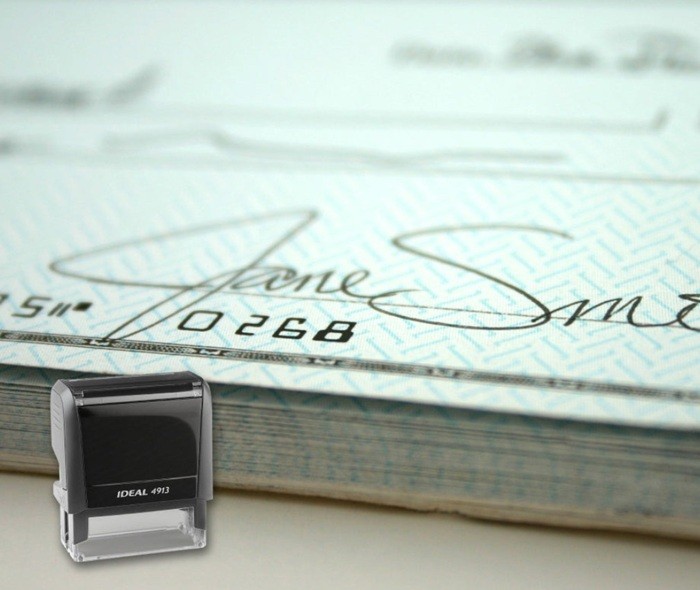
Signature stamps are commonly used in offices to approve documents, process paperwork, and speed up daily tasks. Many companies use them for invoices, contracts, purchase orders, and internal approvals. While they save time, they can also create security risks if they are handled carelessly.
A stolen or misused signature stamp can lead to unauthorized approvals, financial losses, and legal problems. Because of this, businesses must follow proper security practices while using signature stamps in office operations.
What Security Practices Should Businesses Follow When Using Signature Stamps?
Restrict Access to Authorized Staff
One of the main reasons for signature stamp misuse is unrestricted access. If multiple employees can use the stamp freely, it becomes difficult to track who approved a document.
Businesses should assign the stamp only to authorized employees. Access should be limited to staff members who handle official approvals or administrative tasks.
It is also important to maintain a record of who is allowed to use the stamp. If an employee leaves the company or changes roles, access permissions should be updated immediately.
Store Signature Stamps in a Safe Location
Leaving a signature stamp on a desk or inside an unlocked drawer can create serious problems. Anyone can use it without permission.
Businesses should store stamps in locked cabinets, safes, or secure office drawers after use. Access keys or passwords should be limited to responsible staff members.
If the office handles sensitive financial or legal documents, storing the stamp inside a monitored room can provide additional protection.
Maintain a Usage Log
Many businesses fail to track how often a signature stamp is used. This can create confusion during audits or disputes.
A usage log helps businesses monitor stamp activity. The log can include:
Date of usage
Employee name
Purpose of use
Document type
This process creates accountability and reduces unauthorized usage.
For digital recordkeeping, businesses can also maintain a spreadsheet or approval software to track stamp activity.
Avoid Using Signature Stamps for Sensitive Documents
Although signature stamps are convenient, they should not be used for every document.
Important legal agreements, high value financial transactions, and confidential contracts should require manual signatures. A handwritten signature adds another level of verification and reduces fraud risks.
Businesses should clearly define which documents can use a signature stamp and which require direct approval from management.
Regularly Inspect the Stamp for Misuse
Over time, signature stamps can wear out or become damaged. In some cases, altered stamps may create unclear impressions that can affect document accuracy.
Businesses should inspect stamps regularly for signs of tampering, damage, or duplication. If a stamp appears suspicious or produces poor quality impressions, it should be replaced immediately.
The same applies to a Name Stamp used for employee identification or office approvals.
Create Internal Stamp Policies
Many businesses use signature stamps without having official rules. This often leads to inconsistent practices across departments.
A written policy helps employees understand the correct procedures for handling stamps. The policy can include:
Who can use the stamp
Where the stamp should be stored
Which documents are allowed
Reporting procedures for missing stamps
Penalties for misuse
Training employees on these policies can reduce accidental misuse and improve office security.
Replace Lost or Stolen Stamps Immediately
A missing signature stamp should always be treated as a serious issue. Delays in reporting can increase the chances of unauthorized use.
If a stamp is lost or stolen, businesses should:
Report the issue to management immediately
Stop accepting documents approved with the missing stamp
Notify relevant departments
Replace the stamp quickly
In certain situations, businesses may also need to inform clients, banks, or legal teams about the missing stamp.
Use Different Stamps for Different Departments
Using one stamp across the entire company can create confusion and increase security risks.
Businesses can reduce misuse by assigning separate stamps to different departments. For example, finance teams, HR departments, and purchasing teams can use different approval stamps.
This makes document tracking easier and limits unauthorized approvals.
Monitor Digital Alternatives Carefully
Some businesses now use digital signature systems instead of physical stamps. While digital systems can improve efficiency, they also require proper security controls.
Businesses should protect digital signatures using passwords, restricted access, and secure software systems. Shared login credentials should be avoided because they reduce accountability.
Whether using physical stamps or digital approvals, monitoring access remains important.
Conclusion
Signature stamps help businesses complete office work faster, but poor handling can create security risks. Unauthorized use, theft, and improper storage can lead to financial and legal problems.
By restricting access, storing stamps securely, maintaining usage records, and creating clear office policies, businesses can reduce these risks effectively. A properly managed signature stamp or Name Stamp can support daily operations while maintaining document security and accountability.