Business
Industrial Cleaning vs. Commercial Cleaning: Why They're Not the Same Thing
Jun 22, 2026

Calling a price quote "too expensive" without knowing what category of service you actually need is how facilities end up hiring the wrong contractor. Industrial and commercial cleaning get used interchangeably in casual conversation, but they're built for different environments, different risks, and different levels of training, and treating them as the same thing is where mismatches happen.
What Each Term Actually Refers To
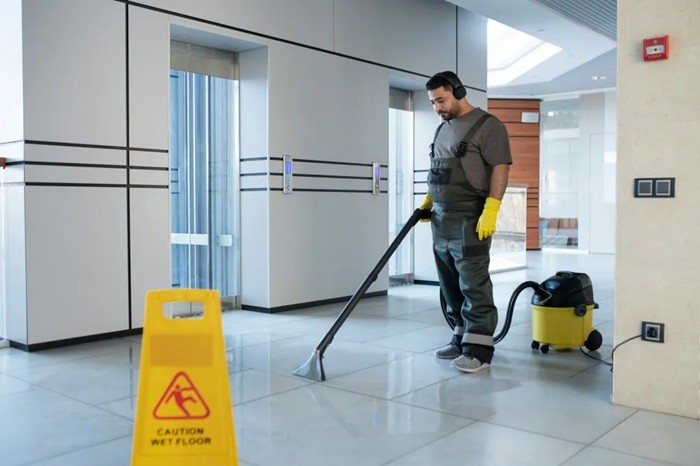
Commercial cleaning typically covers spaces like offices, schools, or retail stores, places with foot traffic and general wear but no heavy machinery or hazardous materials involved. Industrial cleaning refers to janitorial and sanitation services tailored specifically to factories, plants, and manufacturing facilities, including cleaning production floors, machinery, and storage areas that require more than basic dusting or vacuuming.
If you're vetting a provider for a facility in Spain and you're not sure which category your space falls into, comparing how limpieza industrial Valencia providers describe their commercial versus industrial offerings is a quick way to see how the distinction gets applied locally.
The Real Difference Is Risk, Not Just Size
It's tempting to assume industrial just means "commercial cleaning, but bigger." That's not accurate. Industrial environments pose unique hazards, from chemical exposure to heavy machinery, and professional cleaning in these settings exists specifically to ensure compliance with safety guidelines and reduce the risk of accidents. A large office building has more square footage to clean than a small factory, but it doesn't carry the same hazard profile, and that's the actual variable that determines which category a job falls into.
Training and Equipment Aren't Interchangeable
An industrial cleaner is trained to handle cleaning agents, heavy-duty equipment, and hazardous environments with safety as the central concern, not just thoroughness. Not every janitorial company has the skills, certifications, or equipment to manage industrial cleaning, which is why a provider that handles office buildings well isn't automatically qualified to clean a manufacturing floor. The tools, the chemical handling protocols, and the safety training required are genuinely different, not a more intensive version of the same skill set.
Why Cutting Corners Here Backfires
A janitorial or standard commercial service might look like the cheaper option for an industrial facility at first glance, but it tends to be counterproductive. Equipment can get damaged, regulatory penalties become a real risk, and the chances of workplace injury and production delays both increase when an under-qualified provider handles a space they weren't trained for. Hiring a properly equipped industrial cleaning service can cost more upfront, but it avoids the larger cost of fixing damage or addressing a compliance violation after the fact.
When You Might Need Both
Many facilities use a mix of the two rather than picking one exclusively. Production zones and areas involving machinery need industrial cleaning, while offices and shared common spaces within the same facility are often well served by standard commercial cleaning. Splitting the work this way, rather than forcing one provider type to cover both, ensures each space gets the kind of attention it actually requires.