How Often Should You Test and Maintain Your Sump Pump System
Dec 6, 2025
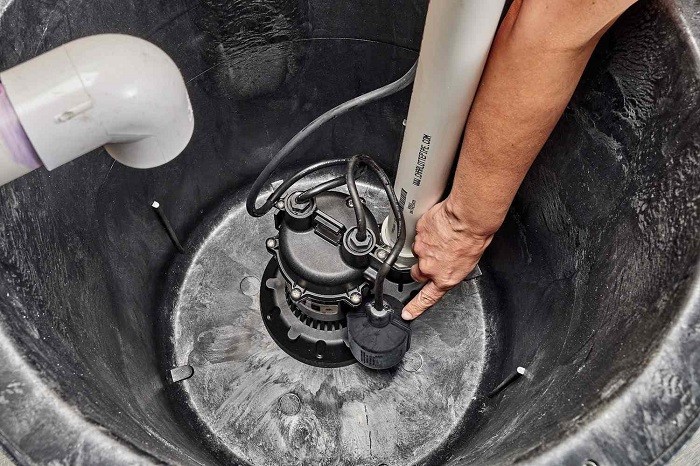
A sump pump is one of the most important safeguards in any home that has a basement or crawl space. It keeps water away from the foundation and prevents unexpected flooding. But like any equipment that works quietly in the background, it needs timely checks and care. If you fail to test or maintain it, you might face water damage and higher repair expenses. In this guide, we’ll look at how often you should test your sump pump system and the simple steps that can keep it running without issues.
Why Regular Testing Matters
A sump pump stays idle most of the time, and this inactivity can lead to unexpected failure. Testing it at fixed intervals helps you detect problems before they grow. It also helps you understand whether the pump can handle sudden water flow, especially during rainy seasons.
How Often Should You Test the Pump?
Testing the pump once every three months is a good practice for most homes. This involves adding water to the pit and checking whether the pump activates and drains without struggle.
If your home is in an area with frequent rainfall or a high-water table, test it every month. Homes that have experienced basement flooding before also benefit from more frequent checks.
Seasonal Maintenance Checklist
Quarterly Check
Pour water into the sump pit and see if the float rises and activates the pump.
Check the discharge pipe outside your home for blockages.
Biannual Inspection
Do a deeper inspection twice a year, preferably before heavy rains begin and right after the season ends.
Remove debris from the pit.
Inspect the power cord for damage.
Check the float for free movement.
Annual Full Maintenance
A yearly service helps keep the pump efficient.
Clean the pump intake screen.
Check the check valve for proper function.
Test the backup battery (if present).
Inspect the pit for sediment buildup.
This helps extend the life of the pump and reduces the chance of sudden breakdowns.
Signs Your Pump Needs Attention
If your pump runs loudly, switches on frequently, or takes too long to clear the pit, it may need repair. A burning smell, vibration, or irregular cycling also indicates internal wear. If these issues appear during testing, you should look into service or replacement.
How Maintenance Affects Installation Costs
Some homeowners delay maintenance for years, assuming the pump will keep working indefinitely. But this can lead to a complete failure. When that happens, the cost to install sump pump may increase because the installer might need to fix damage inside the pit, replace fittings, or make adjustments to drainage lines.
Well-maintained pumps usually have a smooth replacement process. Neglected systems may require extra labor, a new basin, or electrical corrections, which add to the overall cost.
Conclusion
Testing and maintaining your sump pump on a regular schedule keeps your home protected from water-related issues. A simple quarterly test can alert you to early signs of trouble. Seasonal inspections and yearly maintenance help the pump last longer and keep installation or replacement expenses predictable. With timely care, your sump pump system will continue to protect your basement effectively for years.