Business
How Does a Self-Inking Signature Stamp Ensure Consistent Impressions
Jan 27, 2026
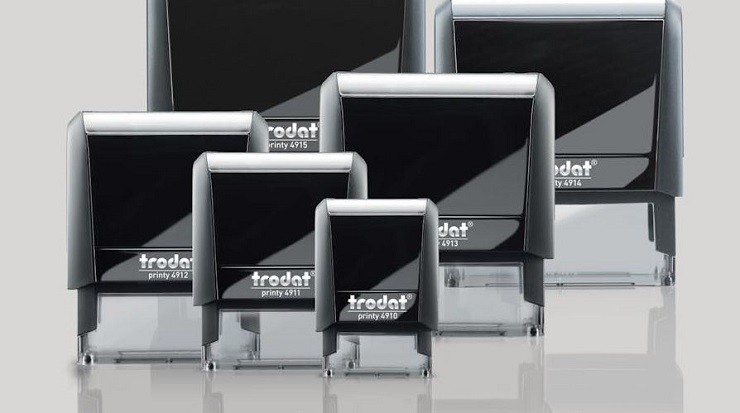
A self inking signature stamp is commonly used in offices where the same signature is required multiple times a day. It removes the need for repeated manual signing and helps maintain uniform output on documents. To understand how this type of stamp delivers consistent impressions, it is important to look at its internal parts, working process, and correct usage practices.
How Does a Self-Inking Signature Stamp Ensure Consistent Impressions?
Role of the Internal Ink Pad
The internal ink pad plays a key role in maintaining impression quality. It is positioned directly above the signature plate and touches it after every stamping action. This continuous contact keeps the plate evenly inked.
The ink pad is made using absorbent material that releases ink at a controlled rate. This prevents excess ink buildup and avoids faint impressions. As a result, each signature mark appears similar in density and clarity.
Importance of the Stamp Mechanism
The spring loaded mechanism inside a self inking stamp applies even pressure during every press. This consistent pressure helps the signature plate make uniform contact with the paper surface.
Manual stamping often results in variation due to hand pressure differences. With a self inking stamp, the internal structure limits pressure variation, which supports repeated identical impressions across documents.
Quality of the Signature Plate
The signature plate is precision cut to capture fine details such as curves and stroke thickness. A well prepared plate transfers ink evenly without smudging.
Since the plate remains fixed inside the housing, alignment stays the same with each use. This prevents distortion or shifting of the signature mark. Over time, this stability supports consistent visual output.
Paper Type and Surface Interaction
Paper quality affects how ink is absorbed. Self inking signature stamps perform best on standard office paper with moderate absorbency. Smooth paper allows the ink to settle evenly without spreading.
While paper differences can influence results slightly, the controlled ink release from the stamp helps reduce visible variation. This is useful in offices that handle different document formats daily.
Ink Refill and Maintenance Practices
Ink level plays a direct role in impression quality. When ink begins to run low, impressions may appear lighter. Replacing or re inking the pad restores normal output.
Routine cleaning of the signature plate also helps. Dust or paper fibers can block ink flow if left unattended. Simple maintenance keeps the stamp functioning at its expected level.
Consistency in High Volume Usage
In high volume environments such as accounting, logistics, or administration, stamps are used repeatedly without long breaks. A Signature Stamp Self Inking model supports this usage pattern by delivering repeat impressions without manual adjustments.
Because the inking process is automated, there is no need to pause for re inking or realignment. This helps maintain uniform results even during extended stamping sessions.
Conclusion
A self inking signature stamp produces consistent impressions through controlled ink delivery, stable pressure application, and fixed alignment. Its internal ink pad, reliable mechanism, and durable signature plate work together to reduce variation. With basic maintenance and proper paper selection, it remains a dependable tool for repeated signature marking in daily office operations.