Travel
Every State Has a Secret Language: Here's How to Read It
Apr 20, 2026
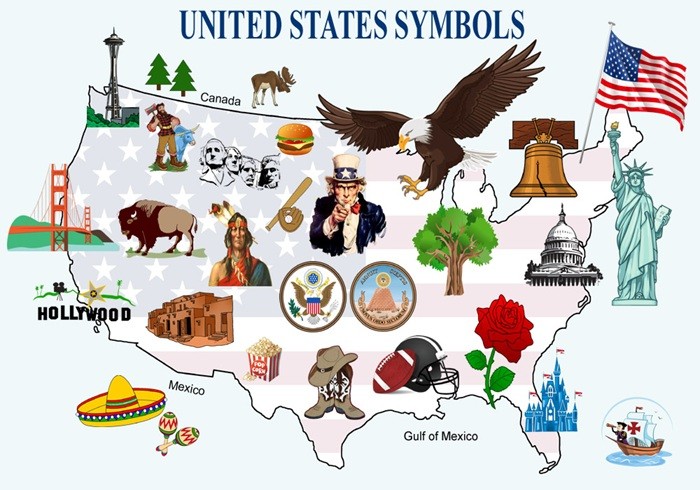
Every state carries its own identity. While this identity is often expressed through culture, geography, and history, there is another layer that many people overlook.
Each state communicates through a set of symbols. These symbols form a kind of language. They represent values, history, and characteristics in a structured way.
Understanding official state symbols allows you to read this language and gain deeper insight into what each state represents.
Let us examine how this works.
What Are Official State Symbols?
Official state symbols are elements that have been formally recognized to represent a state’s identity.
These may include:
● State animals
● State birds
● State flowers
● State trees
● State mottos
Each of these symbols is selected based on relevance to the state’s history, environment, or cultural significance.
They are not random selections. They reflect meaningful connections.
Why States Use Symbols?
States use symbols to communicate identity in a clear and consistent way.
A symbol can represent complex ideas without long explanations. For example, a state bird may reflect the natural environment, while a motto may express guiding principles.
This creates a system where different aspects of identity are represented through different elements.
Together, they form a complete picture.
Reading the Meaning Behind Symbols
To understand this language, you need to look beyond the surface.
Each symbol has a reason behind it.
For example:
● A state animal may indicate the region’s wildlife
● A state flower may represent natural beauty or climate
● A state motto may reflect historical values or goals
By connecting these elements, you can interpret what the state is expressing.
This approach turns symbols into meaningful information rather than simple labels.
Connection to Geography and Environment
Many official state symbols are linked to geography.
States often choose symbols that are native to their region. This includes plants, animals, and natural features.
These choices reflect:
● Climate conditions
● Natural resources
● Environmental characteristics
This connection helps define the state’s identity in relation to its surroundings.
It also highlights what makes the region distinct.
Influence of History
History plays a major role in symbol selection.
Some symbols are tied to important events or historical figures. Others reflect traditions that have been preserved over time.
For example, a state motto may originate from a significant moment in history. A symbol may represent resilience or independence.
These connections provide context and depth.
They show how past events continue to influence present identity.
Cultural Representation
Symbols also reflect culture.
They may represent traditions, industries, or shared practices within the state.
For example:
● Agricultural symbols may reflect farming traditions
● Industrial symbols may indicate economic activities
● Cultural symbols may highlight heritage
This adds another layer to the state’s identity.
It connects everyday life with broader representation.
Patterns Across Different States
When you compare symbols across states, patterns begin to appear.
Some states emphasize natural elements, while others highlight historical or cultural aspects.
These differences show how each state prioritizes different parts of its identity.
At the same time, there are similarities. Many states use symbols to represent nature, history, and values.
This creates a balance between individuality and shared structure.
Why This Language Matters?
Understanding official state symbols provides a clearer view of how identity is communicated.
It allows you to:
● Recognize patterns across regions
● Understand historical and cultural influences
● Interpret values without lengthy explanations
This makes it easier to connect with the identity of each state.
It also adds depth to how you perceive regions and their characteristics.
Limitations of Surface-Level Understanding
Many people recognize symbols but do not explore their meaning.
This leads to a limited understanding.
For example, knowing a state bird without understanding why it was chosen does not provide much insight.
To fully read this language, you need to connect the symbol to its context.
This requires looking at history, geography, and culture together.
Conclusion
Every state communicates through a structured system of symbols. These symbols form a language that reflects identity, values, and history.
By understanding official state symbols, you can interpret this language and gain a deeper understanding of each state.
This approach moves beyond surface recognition and provides meaningful insight into how identity is expressed and preserved.